
Real Estate & The Growing Demand for Electricity
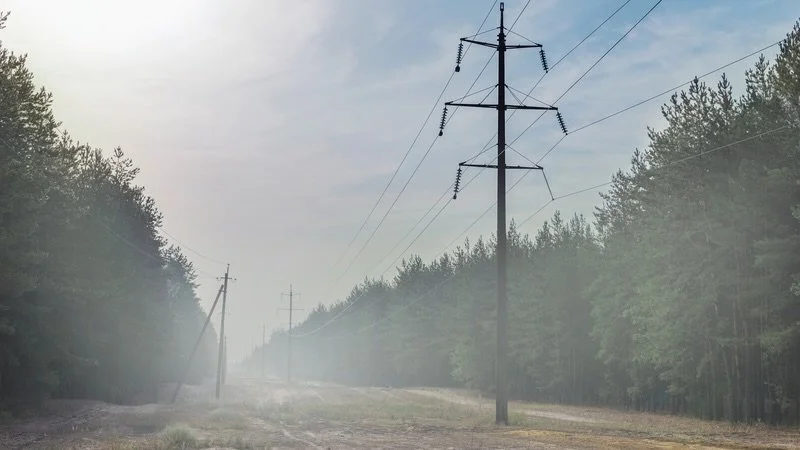
Acquiring real estate is widely recognized as a viable investment strategy for high net-worth individuals. That said, not every investor is interested in owning income-producing residential properties like rental homes, duplexes, or multi-family dwellings.
Rising demand for electricity in the United States represents an emerging opportunity for real estate investors. Our team at Trigen stands ready to help individuals and their advisors understand this growing sector. Let’s take a closer look.
Electricity Consumption Keeps Increasing in the United States
According to the Annual Energy Outlook 2026 Narrative published by the U.S. Energy Information Administration (EIA), part of the U.S. Department of Energy (DOE):
”After 15 years of nearly flat U.S. electricity consumption, demand has increased by 2.1% per year, on average, over the last five years. We project electricity consumption will continue growing through 2050 at a rate of 0.9% to 1.6%, with data center server energy use a major factor. Energy use in commercial buildings, home to data center activity, grows more rapidly than in the residential or industrial sectors in all modeled cases.”
—Annual Energy Outlook 2026 Narrative, U.S. Energy Information Administration (Published April 8th, 2026)
Simply put, American businesses and individuals have become increasingly reliant on technology, data processing, and artificial intelligence—leading to a dramatic uptick in data server activity, electricity utilization, and data center construction.
Taking an “All of the Above” Approach to the Energy Economy
Combining traditional energy sources like natural gas with renewables like solar, wind, and battery storage could be a winning recipe. For landowners, maintaining an “all of the above” approach is wise.
Utility-scale solar: According to data from the EIA (2026), solar photovoltaic and solar thermal power plants accounted for 7% of U.S. electricity generation in 2025—leaving plenty of room for growth.
Wind energy: Wind is America’s largest source of renewable energy, responsible for 11% of electricity generation according to the same EIA report. Compared to solar, wind turbines require a smaller footprint, allowing for simultaneous agricultural use.
Battery storage: One downside of renewable energy is its dependency on natural factors, such as sunlight and wind. Pairing these with grid-scale battery storage allows for a more reliable energy mix.
Geothermal: Recent advancements in technology could transform geothermal into a high-growth industry. According to a 2025 news release by the U.S. Geological Survey, part of the U.S. Department of the Interior, deploying “enhanced” geothermal systems could yield electricity equivalent to 10% of the United States’ current power supply.
Underground CO2 Projects: Injecting carbon dioxide into existing oil reservoirs is the basic concept of enhanced oil recovery (EOR). Related to EOR, carbon capture and storage (CCS) projects aim to reduce emissions by storing carbon dioxide underground. Both projects involve pore space rights and, in many cases, income opportunities for landowners.
Questions? We’re Here to Help
Trigen is an experienced land services company that specializes in energy and infrastructure projects. We can help you evaluate potential energy projects based on factors like location, geology, and infrastructure access.
Contact us to schedule a confidential, no-pressure consultation.