
Underground Injection Control (UIC)
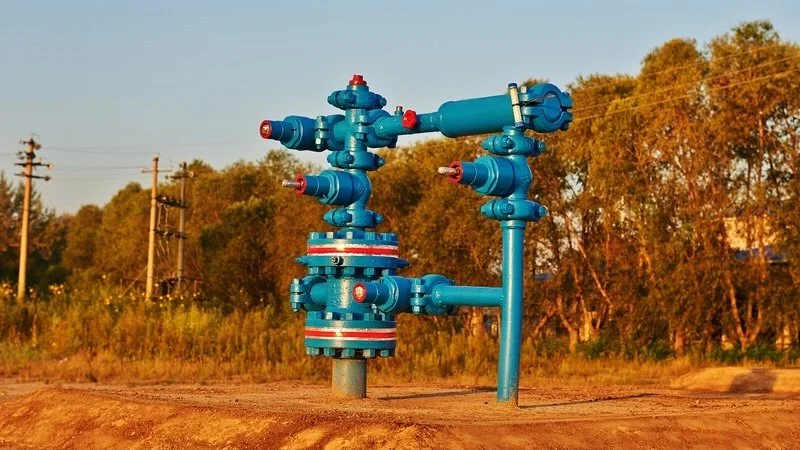
The Underground Injection Control program was established under the Safe Drinking Water Act (SDWA) of 1974 and exists to protect underground sources of drinking water. Although UIC falls under the purview of the Environmental Protection Agency (EPA) and, specifically, the Office of Ground Water and Drinking Water, primary enforcement responsibility (“primacy”) may be overseen by specific states, territories, or tribes. Most states in the US maintain at least partial primacy over UIC programs.
Activities Performed by the UIC Program
The oil industry began injecting brine underground in the 1930s, according to the EPA. Since then, chemical manufacturers and other companies have viewed underground injection as a viable way to store and/or dispose of materials. Today, hundreds of thousands of injection wells exist in the United States.
Many activities performed by the UIC program support the safe construction, operation, and lifecycle management of injection wells. Activities include:
Injection Well Permitting: Operators of injection wells in the United States must first request and receive approval through the UIC program. The permitting process and requirements vary depending on the situation. Over 8,600 permits were issued in 2018 per the UIC Fact Sheet.
Injection Well Inventory Tracking & Reporting: At least 740,000 injection wells were regulated by the UIC program as of 2018, according to the EPA. States with the most injection wells include California, Texas, and Washington.
Injection Well Inspections: Inspecting injection wells ensures proper construction, operator compliance, and protects against leakage. The UIC Fact Sheet indicates that approximately 90,000 injection well inspections occurred in 2018.
Compliance: Operators of wells that fail to comply with UIC requirements may be asked to take specific actions, as set forth by the UIC program. In some cases, the UIC program provides assistance to help operators return to compliance.
Land Services for Injection Well Projects
Contact Trigen to discuss on-the-ground support for injection well planning, landowner outreach, land usage rights acquisition, and other services. We specialize in energy and infrastructure projects, including those involving injection wells.